The Monochrome Mood
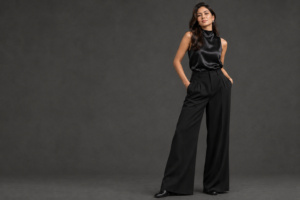
out. A black satin top catches the light differently from a pair
of matte tailored trousers, creating contrast within the same
colour palette. The result can feel polished without requiring
elaborate styling.That is the appeal of the monochrome mood: familiar pieces take
on a different character when worn together. A cream knit and
an ivory skirt offer softness, while navy separates can feel
understated and sharp. Small variations in shade give each
combination its own depth.
Start Monochrome Dressing with a Familiar Colour
Begin with a colour you enjoy wearing and already have in your
wardrobe. Black, grey, navy, and cream provide practical starting
points. Burgundy, olive, or blue can be equally useful if those
shades feel more like you.
Choose a top and a bottom first, then decide whether another
layer adds anything. Check the pieces together in natural light.
Slight differences in undertone may become more visible outside,
but they do not automatically make the combination unsuitable.
What matters is whether the shades look intentional together.
Mix Textures for a Monochrome Outfit
Fabric is where a single-colour look becomes interesting.
Satin has a fluid surface and a noticeable sheen; wool, cotton,
and ribbed knits bring different levels of softness and structure.
Combining these finishes helps distinguish one piece from another.
A black satin top with wide-leg trousers is an easy example.
The top introduces light and movement, while the trousers give
the outfit a defined shape. Keep the remaining elements simple
enough for that contrast to remain visible.
For a softer daytime option, try a fine knit with a flowing skirt.
A textured bag or suede shoes can add another layer of interest
without introducing a new colour.
Balance Shape and Proportion
With fewer colour changes drawing the eye, the cut of each
garment becomes more noticeable. A close-fitting top can work
well with wide-leg trousers, while a shorter jacket can help
define the waist over a longer dress.
Relaxed pieces can also work together. Try a partial tuck,
an open jacket, or sleeves pushed back slightly to adjust
the balance. These small changes let you shape the outfit
without sacrificing the ease that made you choose it.
Check how the clothes feel when you sit and walk. A successful
outfit should move comfortably with you, rather than work only
when you stand still.
Choose Accessories for Monochrome Dressing
Accessories can continue the colour palette while introducing
a different finish. Smooth leather, brushed metal, suede, and
woven materials each offer a subtle contrast to the clothing.
Start with the practical pieces: shoes suited to your plans
and a bag that holds what you need. Then consider jewellery.
Small earrings may be enough beside a high satin neckline,
while an open collar leaves room for a favourite necklace.
Take Your Monochrome Outfit from Day to Evening
The same separates can suit different occasions with a few
adjustments. Wear black trousers and a satin top with flats
and a roomy bag during the day. For dinner, switch to a smaller
bag and add a piece of jewellery that brings attention to
the face.
There is no need to build an entirely new wardrobe around
monochrome dressing. Start with two pieces you already own,
change one detail, and see how the mood shifts. The combinations
worth keeping are the ones that feel as comfortable as they look.